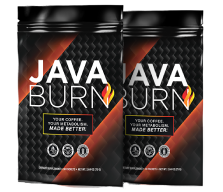
Java Burn sits at the intersection of two familiar habits: morning coffee and dietary supplements. The premise is simple enough to understand in seconds—open a packet, stir the powder into coffee and continue with your day. That simplicity helps explain the attention. It does not, by itself, tell us whether the product works.
A responsible Java Burn review has to answer two different questions. First, is the routine practical and is the offer clearly explained? Second, does good evidence show that the finished formula creates meaningful weight-management results? The answer to the first question is relatively favorable. The second is much less certain.
Java Burn includes recognizable ingredients with legitimate areas of research. However, studies of green tea, chromium or L-carnitine cannot be treated as a clinical trial of Java Burn. Formula, dose and population all matter.
What Is Java Burn?
Java Burn is a powdered dietary supplement sold in single-serving packets. The seller instructs users to mix one packet into coffee, preferably in the morning. It may be taken with or without food. The sales page describes the powder as tasteless and instantly dissolving, and says it can be used with any type of coffee.
The public sales page markets Java Burn as a proprietary nutritional formula. It lists chlorogenic acid, Camellia sinensis, chromium, L-carnitine, L-theanine and a vitamin complex. It also describes the product as vegetarian, gluten-free, non-GMO, soy-free and dairy-free. Those are manufacturer statements; shoppers with allergies or strict dietary requirements should verify the current package label rather than relying only on marketing copy.
The official website does not clearly identify a conventional corporate manufacturer in the prominent sales copy we reviewed. Orders are processed through ClickBank, and seller support is linked from the Java Burn website. That distinction matters: ClickBank facilitates the transaction, but it is not evidence that the product is effective.
- Format: powder in individual packets
- Use: one packet mixed into coffee daily
- Purchase: one-time payment; no autoship stated
- Returns: 60 days; return required; shipping and handling excluded
- Our classification: dietary supplement, not a medication
Why Has Java Burn Become Popular?
Its appeal starts with behavioral design. Many adults already make coffee every morning. Attaching a new action to an existing routine—sometimes called habit stacking—can reduce the number of decisions required. A packet is also easier to transport and measure than a tub of powder.
The product also speaks to growing interest in metabolism-support supplements and functional coffee. Consumers often prefer additions that fit normal life over plans that require special meals or complicated schedules. Java Burn’s promise of compatibility with any coffee makes the concept easy to visualize.
Popularity should not be confused with proof. Search interest, social media attention and customer stories can reveal what people find appealing, but they do not control for diet, activity, expectations, placebo effects or natural changes over time. We therefore do not use testimonials as the foundation of this review.
How Java Burn Is Intended to Work
The seller says the formula works with coffee to support metabolism, energy and general well-being. At a broad biological level, that idea draws on ingredients associated with energy metabolism: caffeine can temporarily increase alertness and thermogenesis; green tea catechins are studied alongside caffeine; carnitine transports fatty acids inside cells; chromium participates in insulin signaling; and B vitamins act as cofactors in energy-yielding reactions.
Those facts describe biological roles, not guaranteed outcomes. A pathway can be real without a supplement changing body weight in a meaningful way. For example, a nutrient may be essential but provide no added benefit above adequate intake. An ingredient can also perform differently depending on its dose, chemical form and the user’s baseline health.
Mechanism explains why a hypothesis is worth testing. A randomized trial of the finished product is what would test whether that hypothesis produces a real-world benefit. The official page we reviewed does not present a peer-reviewed, product-specific Java Burn trial.
Realistic expectations are therefore modest. Java Burn may make a supplement routine easier to remember. Its ingredients may support normal metabolic processes. Neither point demonstrates that it will cause weight loss, overcome a sustained calorie surplus or address medical drivers of weight change.
Java Burn Ingredients: An Evidence-Based Breakdown
The following assessment uses the ingredient names shown on the official sales page and independent summaries from the National Institutes of Health and peer-reviewed literature. Because the public page does not provide complete quantities for the proprietary formula, certainty is limited.
Chlorogenic acid
- What it is
- A family of polyphenol compounds found naturally in coffee beans and other plants.
- Why it is included
- The seller includes it for metabolism and blood-sugar support.
- Scientific evidence
- Research on green coffee extracts has reported small changes in weight-related outcomes in some trials, but studies vary in extract, dose, duration and quality. That evidence cannot establish the effect of Java Burn itself.
- Potential benefit
- It may contribute antioxidant compounds and could have modest metabolic effects.
- Potential limitation
- The official public page does not show the amount per packet, and evidence from a standardized extract may not transfer to a proprietary formula.
Research summary: Plausible ingredient; product-specific benefit remains unproven.
Camellia sinensis (green tea)
- What it is
- The tea plant that supplies catechins, including EGCG. Extracts may also contain caffeine unless decaffeinated.
- Why it is included
- It is commonly used in metabolism-support supplements.
- Scientific evidence
- NIH reviews find that green tea may produce a small effect on body weight, while results are inconsistent and not clinically dramatic. Concentrated extracts have different safety considerations from brewed tea.
- Potential benefit
- Catechins are well studied and may modestly influence energy expenditure when paired with caffeine.
- Potential limitation
- Effect size depends on dose and formulation. Extracts can cause nausea and, rarely, liver injury; Java Burn’s exact catechin and caffeine contribution should be checked on the label.
Research summary: Studied ingredient, but expectations should remain modest.
Chromium
- What it is
- An essential trace mineral involved in normal macronutrient metabolism and insulin action.
- Why it is included
- It is often marketed for glucose metabolism and appetite support.
- Scientific evidence
- The NIH Office of Dietary Supplements concludes that chromium supplementation has at most a very small effect on body weight and body fat. It is not a substitute for diabetes treatment.
- Potential benefit
- Correcting inadequate intake can support normal nutrient metabolism.
- Potential limitation
- More is not necessarily better. Chromium can interact with insulin, metformin, levothyroxine and other medicines.
Research summary: Nutritionally relevant; weight-management evidence is minimal.
L-carnitine
- What it is
- A compound made by the body that helps transport long-chain fatty acids into mitochondria for energy production.
- Why it is included
- Its biological role makes it a common energy-metabolism ingredient.
- Scientific evidence
- Meta-analyses report possible modest average changes in body weight in some populations, but trials use varying doses and often study people with specific conditions. This does not prove a Java Burn effect.
- Potential benefit
- It has an established role in fat metabolism and may help when deficiency is present.
- Potential limitation
- Healthy adults usually synthesize sufficient carnitine. Higher supplemental doses may cause gastrointestinal symptoms or a fishy odor.
Research summary: Clear biological function; uncertain added value at an undisclosed dose.
L-theanine
- What it is
- An amino acid naturally present in tea.
- Why it is included
- It is commonly paired with caffeine because research has examined attention and perceived calm.
- Scientific evidence
- Small human studies suggest caffeine plus L-theanine may support aspects of attention. Evidence for meaningful weight loss or appetite control is not established.
- Potential benefit
- It may complement coffee for some users who want a smoother subjective experience.
- Potential limitation
- Effects vary, and research on cognition does not establish metabolism or weight outcomes.
Research summary: More relevant to the coffee experience than to proven weight change.
Vitamin complex
- What it is
- The official page describes a vitamin complex but does not present its full public label or quantities on the sales page reviewed.
- Why it is included
- B vitamins and other micronutrients participate in normal energy metabolism and general health.
- Scientific evidence
- Vitamins help enzymes perform essential functions, but taking extra vitamins does not automatically create more energy or cause weight loss when nutritional status is adequate.
- Potential benefit
- May help meet needs if the amounts are appropriate and intake is insufficient.
- Potential limitation
- Benefits and upper-limit concerns depend on the specific vitamins and doses. Review the Supplement Facts panel before purchase.
Research summary: Potentially useful nutrition support; impossible to assess fully without amounts.
Scientific Evidence: What We Know and What We Do Not
What current research supports
Several listed ingredients have plausible roles in metabolism. NIH’s weight-loss supplement review describes possible modest effects for caffeine and carnitine, minimal effects for chromium and a possible small effect for green tea. These are cautious conclusions across varied products and study populations.
Research also supports a more basic point: micronutrients are necessary for normal energy metabolism. That does not mean supplementation increases metabolic rate in a person who is already replete. Likewise, caffeine’s short-term thermogenic effect should not be translated into a promise of meaningful fat loss.
What remains uncertain
We do not know whether the amounts in one Java Burn packet match doses used in successful trials. We do not know whether the combination performs better than coffee alone. We also did not find a finished-product, peer-reviewed randomized controlled trial on the official page.
This is a common problem in multi-ingredient supplements. An ingredient may have research behind it, but the commercial blend can differ in dose and composition. Interactions between ingredients may help, do nothing or increase adverse effects. Without product-specific testing, the overall effect remains uncertain.
More persuasive evidence would include preregistered trials of the exact formula, adequate sample size, a credible placebo, disclosed doses, clinically meaningful outcomes, independent replication and full adverse-event reporting.
Current conclusion: ingredient evidence makes the concept biologically plausible, but does not establish that Java Burn produces meaningful weight loss.
Research sources: NIH: Dietary Supplements for Weight Loss · NIH: Chromium · FDA: Dietary Supplements
Potential Benefits
The strongest potential benefits are practical rather than dramatic. Single-serve packets require no measuring. Mixing the product into an existing coffee habit can simplify consistency. The seller says the powder does not change coffee’s taste and can be used with different coffee styles, although taste remains subjective.
The ingredient list also has a coherent theme. Green tea compounds, chlorogenic acid, chromium and L-carnitine are all relevant to metabolic research in some way. L-theanine is a sensible companion to a coffee-oriented formula because it has been studied with caffeine for attention. That is more internally consistent than a blend of unrelated trending ingredients.
Still, “metabolism support” is not a standardized outcome. It can refer to normal nutrient metabolism, short-term energy expenditure, glucose handling or subjective energy. Readers should ask what outcome matters to them and whether it is measurable.
If you try any supplement, change as little else as possible for a short, predefined evaluation period. Track adherence, sleep, appetite, digestive symptoms, coffee intake and any objective measures recommended by your clinician. This makes the experience easier to interpret.
Possible Limitations
Individual response is the biggest unknown. Genetics, body size, usual caffeine intake, nutritional status, medications, sleep and health conditions can all change how a person responds. People who already drink several cups of coffee may experience the routine differently from those who rarely use caffeine.
Proprietary quantities are another limitation. An ingredient name tells us little without the amount and chemical form. It is difficult to assess efficacy, interactions or total stimulant exposure without a complete current label.
Cost deserves equal attention. The official page listed packages from $49 to $79 per pouch when reviewed, before shipping where applicable. A supplement that strains the household budget can crowd out higher-value supports such as nutritious food, clinical care or exercise access.
Finally, weight is influenced by more than willpower or a “slow metabolism.” Medications, sleep disorders, menopause, mental health, food access and endocrine conditions can all matter. A coffee weight loss supplement should not delay evaluation of unexpected or concerning weight change.
Pros and Cons
Pros
- Easy to attach to an existing coffee routine
- Pre-portioned single-serving packets
- Several ingredients have legitimate research interest
- Seller states no subscription or autoship
- 60-day return window reduces purchase risk
- Official support and policy pages are available
Cons
- No product-specific clinical trial presented
- Public sales page does not clearly show all quantities
- Ingredient studies do not prove formula effectiveness
- Coffee and extracts may not suit caffeine-sensitive users
- Price is higher than coffee alone
- Return shipping and original handling are not refunded
Who May Benefit?
Java Burn may be a reasonable product to investigate for an adult who already drinks coffee, values convenience, tolerates the listed ingredients and understands that a supplement is not a substitute for lifestyle or medical care. It may also appeal to people who dislike capsules or measuring powders.
The best candidate has realistic expectations. That means viewing the product as an optional addition to a sustainable routine, not as a mechanism that makes food quality, activity, sleep or health conditions irrelevant.
Who should avoid it or seek medical guidance first?
People who are pregnant or nursing should avoid using a weight-management supplement unless their obstetric clinician specifically approves it. The official terms also identify exclusions including people with diabetes, anorexia or bulimia, and peanut allergy. Anyone under 18 should not purchase or use the product.
Consult a healthcare professional before use if you take prescription medication, have liver, kidney, heart, thyroid or blood-sugar conditions, are sensitive to caffeine, or have a history of disordered eating. Chromium may interact with diabetes and thyroid medicines; concentrated green tea extracts can have medication and liver-safety considerations.
Safety and Supplement Regulation
In the United States, dietary supplements are regulated by FDA, but they are not approved for effectiveness before sale in the same way as prescription drugs. Manufacturers are responsible for ensuring safety and truthful labeling. FDA can take action against adulterated, unsafe or misbranded products after they reach the market.
A statement that a facility follows good manufacturing practices does not mean FDA has approved the product’s health claims. “Natural” also does not mean risk-free. Dose, contamination, interactions and individual health all matter.
Possible side effects based on the listed ingredient categories include nausea, stomach discomfort, diarrhea, headache, jitteriness or sleep disruption. Concentrated green tea extract has been linked rarely to liver injury, particularly in susceptible people or when taken under fasting conditions. Seek prompt medical advice for yellowing skin, dark urine, severe abdominal pain, fainting, chest pain or signs of an allergic reaction.
This article provides general education, not medical advice, diagnosis or treatment. A qualified healthcare professional who knows your history can help assess ingredients, medications and risks. Do not change medication or delay care because of information on this page.
Frequently Asked Questions
Does Java Burn work?
There is not enough independent, product-specific clinical evidence available on the public sales page to conclude that Java Burn reliably changes body weight. Some ingredients have been studied individually, usually with modest or inconsistent findings. Your response may differ, and food, activity, sleep and medical factors remain central.
How long does Java Burn take to work?
No evidence-based timeline can be promised. The seller recommends consistent use, but that recommendation is not proof of a particular outcome. Evaluate tolerability and routine fit, and use objective health measures with a clinician when appropriate.
How do you take Java Burn?
The official directions say to mix one packet into coffee, preferably in the morning, with or without food. Follow the packet label and do not exceed the stated serving.
Does Java Burn change the taste of coffee?
The seller describes the powder as tasteless and instantly dissolving. Taste is subjective, so individual experiences may differ.
Can I use Java Burn with decaf coffee?
The official page says it works with any type of coffee, but it does not separately publish evidence comparing regular and decaf use. Ask support if this distinction matters to you.
Can I take Java Burn twice daily?
Do not assume that more is better. The official direction is one packet daily. Taking more can increase exposure to active ingredients and potential interactions.
Is Java Burn FDA approved?
No dietary supplement is FDA approved in the same premarket way as a prescription drug. FDA regulates supplements, while manufacturers are responsible for safety and truthful labeling before sale.
Is Java Burn vegan?
The official FAQ calls it vegetarian; the sales page also says plant ingredients and soy- and dairy-free. That is not the same as independently verified vegan certification. Confirm current labeling with the seller if strict vegan status is important.
Can I use Java Burn while fasting?
Fasting rules differ, and the product’s complete ingredient quantities are relevant. The seller says it may be taken with or without food, but that does not answer every fasting protocol or medical need.
What if I miss a day?
Resume the labeled serving rather than doubling up. Consistency can make a routine easier to evaluate, but one missed day does not justify taking extra.
Does Java Burn contain caffeine?
Java Burn is intended to be mixed with coffee, which often contains caffeine. Camellia sinensis extracts can also contain caffeine depending on processing. Check the current Supplement Facts label and ask support for the exact amount.
What are possible Java Burn side effects?
Potential effects depend on the actual doses and your health. Relevant ingredient concerns can include stomach upset, headache, sleep disruption, jitteriness, medication interactions and, with concentrated green tea extracts, rare liver injury. Stop and seek care for concerning symptoms.
Can Java Burn replace diet and exercise?
No. A supplement cannot replace adequate nutrition, movement, sleep or medical care. Sustainable weight management usually depends on a broader pattern of behaviors and health factors.
Is there a subscription?
The official FAQ states that the purchase is a one-time payment with no auto-ship or subscription fees. Confirm the order summary before submitting payment.
What is the Java Burn refund policy?
The official page lists a 60-day money-back guarantee from the original purchase date. Product, including empty pouches, must be returned; shipping and handling are excluded. Confirm current instructions before returning anything.
Where should I buy Java Burn?
For current packages, labeling, policies and seller support, use the official website. This independent review links there through an affiliate HopLink and may earn a commission without increasing your price.
Final Verdict: A Strong Routine, Limited Product-Specific Evidence
Java Burn earns our 4.5-out-of-5 editorial rating for convenience, a coherent ingredient concept, clear one-time purchasing language and a meaningful return window. That rating reflects the quality of the proposition and buyer information—not a claim that 4.5 out of 5 users succeed.
The most important drawback is evidence. The listed ingredients are not nonsense, and several have been studied for metabolism, energy or weight-related outcomes. But the effects found in research are generally small or inconsistent, and ingredient studies do not prove that one packet of Java Burn will produce the same result.
Our balanced view is positive on usability and cautious on outcomes. If the routine fits your preferences, budget and health context, the product may be worth discussing with a healthcare professional and evaluating with realistic expectations. If you want guaranteed weight loss, transparent clinical proof of the complete formula or fully disclosed public doses before clicking, Java Burn is unlikely to satisfy that standard.
Because pricing, packages, labels and guarantees can change, review the current official website before deciding. Read the Supplement Facts panel, confirm the complete checkout total and save the return instructions.
Results vary. No supplement can promise a specific change in weight or health.
Visit Official WebsiteHow We Reviewed Java Burn
We compared the official sales page, FAQ, terms and return language with public guidance from FDA and the NIH Office of Dietary Supplements. We evaluated ingredient plausibility, product-specific evidence, formula transparency, usability, safety context, purchasing clarity and marketing restraint. We did not rely on unverified testimonials, before-and-after photos or seller popularity claims.
Editorial rating weights: evidence and transparency 35%; safety and labeling 20%; ease of use 15%; value and terms 15%; customer protections 15%. Ratings are editorial judgments, not customer averages or medical recommendations.